
Pygmy Marmosets Monkeys
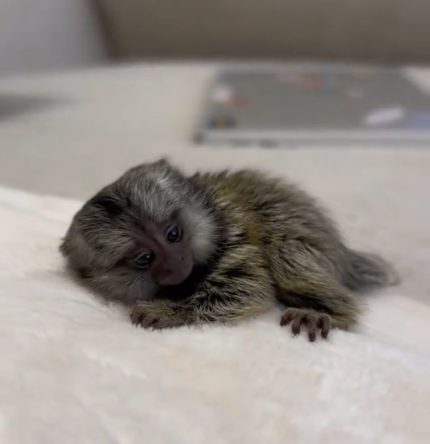
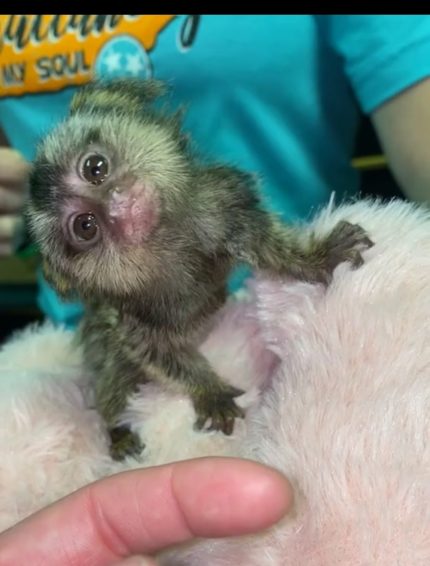
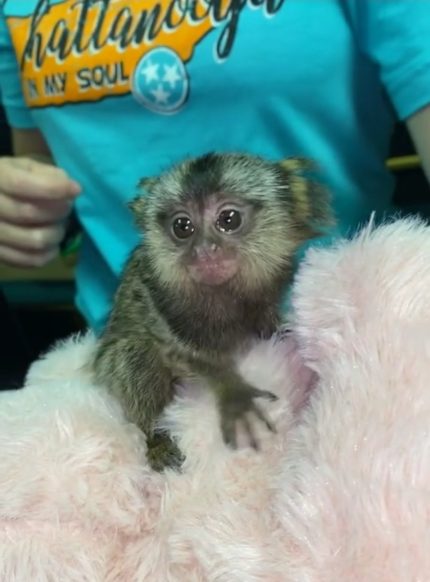
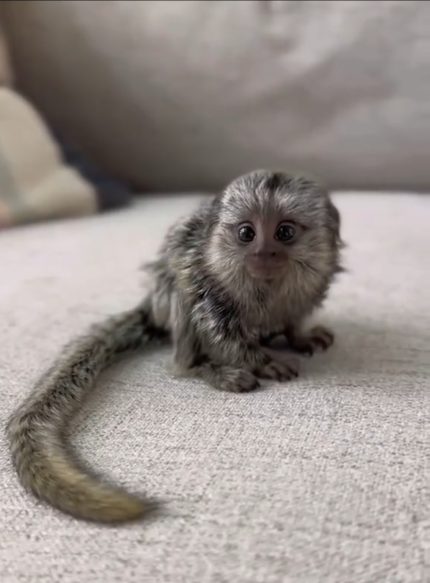
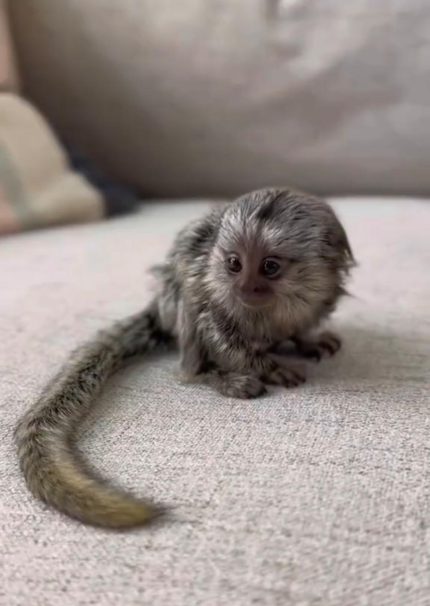
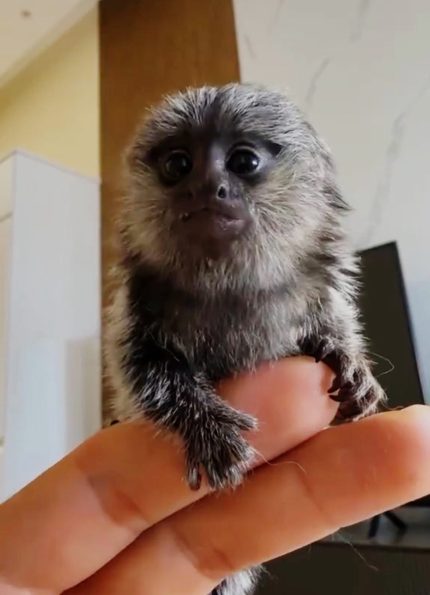
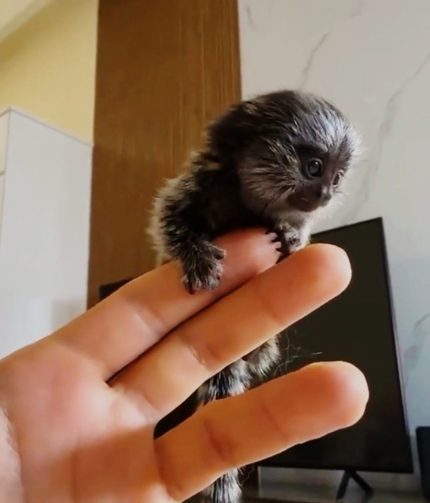
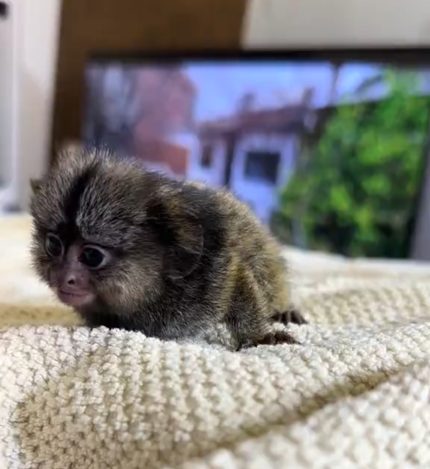
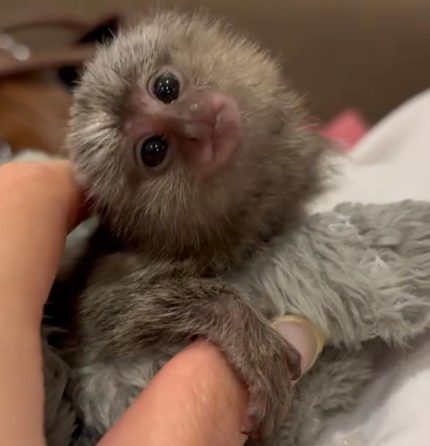
Pygmy marmosets are the smallest monkeys in the world and among the most distinctive primates on the planet. Their tiny size, quick movements, and highly social nature make them fascinating to learn about, but they are also extremely specialized animals with complex needs.
Common name Pygmy marmoset
Pygmy Marmosets Monkeys
Smallest monkey species in the world
Lifestyle Arboreal, active, and social
Temperament Curious, alert, and highly expressive
Care level Advanced, specialized care required
Pygmy marmosets are known for their remarkable size and behavior. They spend much of their time climbing, exploring, and interacting with their environment. Because they are highly adapted to life Around, their wellbeing depends on a habitat that supports playing, security, and enrichment.
Appearance and Size
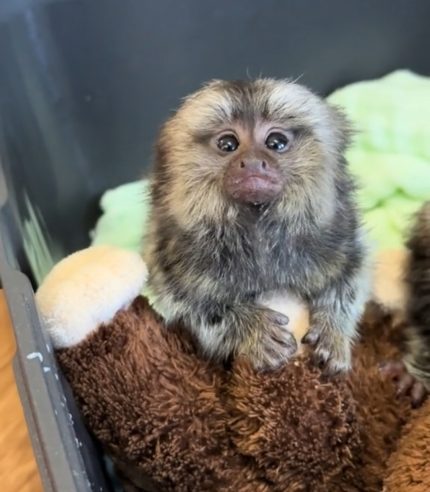
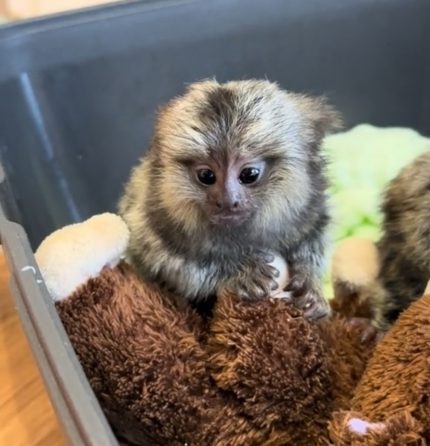
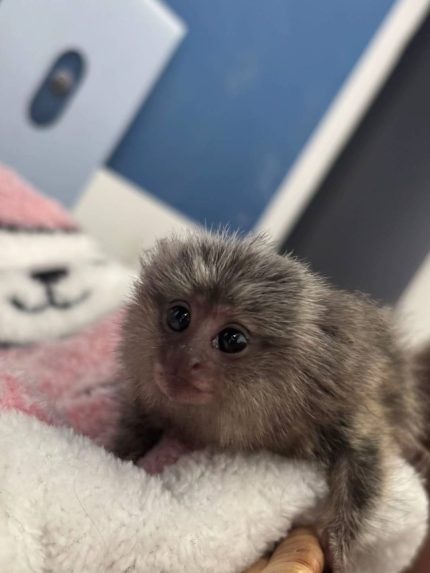
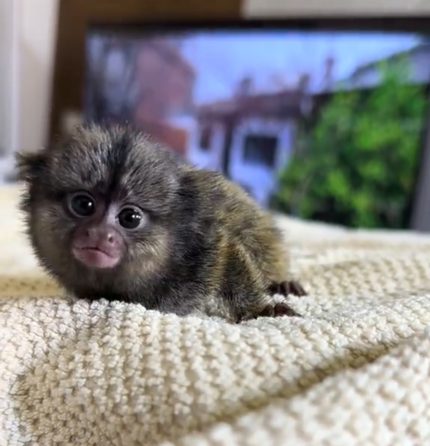
Pygmy marmosets are tiny primates with delicate bodies, expressive eyes, and quick, agile movements. Their small size often surprises people who are learning about them for the first time. Despite their miniature appearance, they are active and intelligent animals with complex needs.
Behavior and Personality
Pygmy marmosets are highly social and energetic. They communicate through sound, movement, and body language, and they often form strong bonds within their group. Their behavior is one of the reasons people are drawn to them, but it also shows how dependent they are on interaction and routine.
Habitat and Environment
A suitable habitat for pygmy marmosets must reflect their arboreal lifestyle. They need height, climbing surfaces, secure areas, and consistent environmental conditions.
Habitat Need Why It Matters
Vertical space Supports climbing and movement
Branches and perches Encourages exercise and exploration
Secure enclosure Reduces stress and escape risk
Stable temperature Helps maintain comfort and health
Enrichment items Supports mental stimulation
Quiet surroundings Limits stress and overstimulation
Their habitat should also be easy to keep clean and safe. Since small primates are sensitive to environmental changes, routine maintenance is essential. The goal is to create a space that feels predictable, secure, and engaging.
Nutrition and Feeding
Pygmy marmosets have specialized dietary requirements. In nature, they consume a mix of foods that support their small bodies and high activity levels. Any care discussion should emphasize that their diet must be species-appropriate and carefully managed.
Dietary Area Considerations
Primary diet Species-specific primate nutrition
Supplements Only when professionally recommended
Water Always fresh and clean
Feeding routine Consistent and monitored
Variety Safe, approved items only
Because their dietary needs are specialized, nutrition should be planned with experienced guidance. Feeding errors can quickly affect their health and behavior. This makes diet one of the most important parts of responsible primate care.
Social Wellbeing
Pygmy marmosets are social animals, and their wellbeing depends heavily on interaction. They do best in a setting that supports companionship, predictable routines, and attentive observation. Isolation or a poor environment can have a negative impact on both physical and emotional health.
Wellbeing Factors
Consistent social interaction.
Safe climbing and resting spaces.
Predictable daily routines.
Gentle, experienced handling.
Proper temperature and ventilation.
Their welfare is not just about housing or food. It also includes emotional comfort, environmental stability, and reduced stress.

Pygmy Marmosets Monkeys
Pygmy marmosets are the smallest monkeys in the world and among the most distinctive primates on the planet. Their tiny size, quick movements, and highly social nature make them fascinating to learn about, but they are also extremely specialized animals with complex needs.
- Common name Pygmy marmoset
- Pygmy Marmosets Monkeys
- Smallest monkey species in the world
- Lifestyle Arboreal, active, and social
- Temperament Curious, alert, and highly expressive
- Care level Advanced, specialized care required
Pygmy marmosets are known for their remarkable size and behavior. They spend much of their time climbing, exploring, and interacting with their environment. Because they are highly adapted to life Around, their wellbeing depends on a habitat that supports playing, security, and enrichment.
Appearance and Size
Pygmy marmosets are tiny primates with delicate bodies, expressive eyes, and quick, agile movements. Their small size often surprises people who are learning about them for the first time. Despite their miniature appearance, they are active and intelligent animals with complex needs.
Behavior and Personality
Pygmy marmosets are highly social and energetic. They communicate through sound, movement, and body language, and they often form strong bonds within their group. Their behavior is one of the reasons people are drawn to them, but it also shows how dependent they are on interaction and routine.
Habitat and Environment
A suitable habitat for pygmy marmosets must reflect their arboreal lifestyle. They need height, climbing surfaces, secure areas, and consistent environmental conditions.
Habitat Need Why It Matters
Vertical space Supports climbing and movement
Branches and perches Encourages exercise and exploration
Secure enclosure Reduces stress and escape risk
Stable temperature Helps maintain comfort and health
Enrichment items Supports mental stimulation
Quiet surroundings Limits stress and overstimulation
Their habitat should also be easy to keep clean and safe. Since small primates are sensitive to environmental changes, routine maintenance is essential. The goal is to create a space that feels predictable, secure, and engaging.
Nutrition and Feeding
Pygmy marmosets have specialized dietary requirements. In nature, they consume a mix of foods that support their small bodies and high activity levels. Any care discussion should emphasize that their diet must be species-appropriate and carefully managed.
- Dietary Area Considerations
- Primary diet Species-specific primate nutrition
- Supplements Only when professionally recommended
- Water Always fresh and clean
- Feeding routine Consistent and monitored
- Variety Safe, approved items only
Because their dietary needs are specialized, nutrition should be planned with experienced guidance. Feeding errors can quickly affect their health and behavior. This makes diet one of the most important parts of responsible primate care.
Social Wellbeing
Pygmy marmosets are social animals, and their wellbeing depends heavily on interaction. They do best in a setting that supports companionship, predictable routines, and attentive observation. Isolation or a poor environment can have a negative impact on both physical and emotional health.
- Wellbeing Factors
- Consistent social interaction.
- Safe climbing and resting spaces.
- Predictable daily routines.
- Gentle, experienced handling.
- Proper temperature and ventilation.
Their welfare is not just about housing or food. It also includes emotional comfort, environmental stability, and reduced stress.